
The Overcome: Selective Hearing In The Diversity Conversation
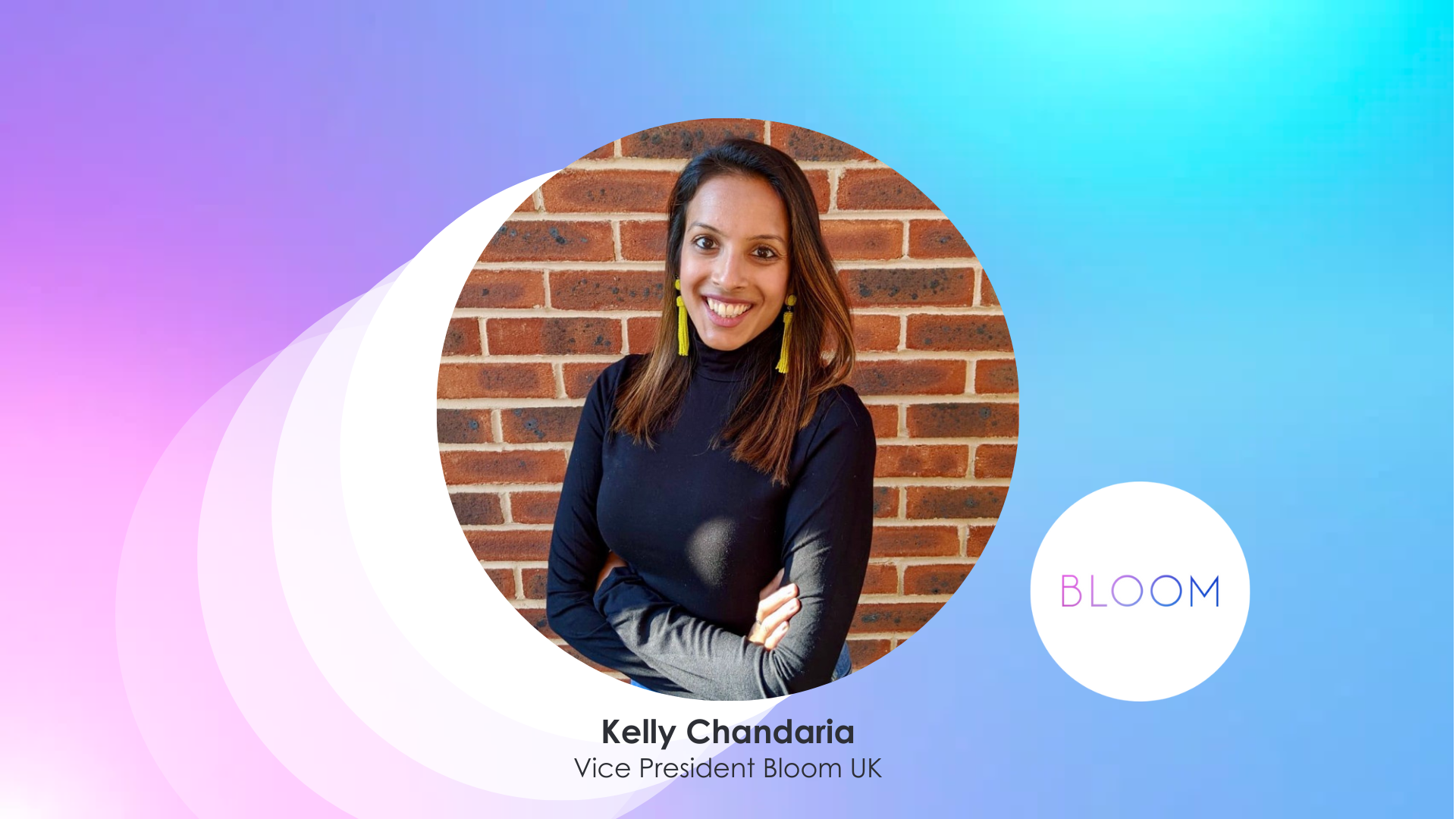
Kelly Chandaria, Vice President at Bloom UK, challenges advertising's selective diversity in leadership and explains why South Asian voices offer essential cultural intelligence for authentic, resonant storytelling in a multicultural world.
Advertising is obsessed with storytelling. It’s the currency we trade in. But, let’s be honest, when it comes to who gets to shape those stories, the industry still plays its favourites.
As a strategist, I spend my days crafting narratives—about brands, people, culture. Yet it still baffles me how few of those stories are shaped by people like me I’m a South Asian woman of Kenyan-Indian heritage, born and raised in the UK. My identity is layered, complex, and deeply rooted in community. But I’m talking about people of South Asian heritage in general. South Asian culture woven into the tapestry of UK culture, yet as Sonia Gilchrest put it recently, “in our industry, South Asians are still missing from the rooms where stories are shaped and decisions are made."
Our stories are sometimes considered too complex, too quiet, or too “model minority” to warrant attention. We’re not the loudest either when it comes to voicing opinion or standing up for ourselves. Maybe that has something to do with it? Don’t get me wrong, we’re not invisible – but we’re not necessarily seen either.
The diversity conversation is everywhere, but it’s also strangely selective. And yes, the industry has made important, overdue strides in elevating Black voices. Progress that is truly fantastic and worth celebrating. But I can’t help but notice the glaring absence of South Asians from leadership, creative direction, and strategic decision-making in advertising. It is not only stark and disappointing, but a missed opportunity.
We bring a different kind of cultural intelligence (and just a new perspective). One shaped by diaspora, by intergenerational ambition, by the balancing act of tradition and modernity. Our heritage gives us a deep understanding of belonging, resilience, and nuance. These aren’t just nice-to-haves—they’re essential ingredients for building campaigns that resonate in a truly multicultural Britain.
I’ve heard too many occasions where “diverse perspectives” were discussed without a single South Asian voice in the room. I’ve seen campaigns aimed at our communities that felt like they were written by someone who once ate a samosa at a wedding. I’ve had to explain to colleagues again and again that we’re not a monolith. We’re not just ‘South Asian’ or ‘Indian’ – even within those there are so many nuances and significant differences.
How often do you or someone in your project team stop and ask: “have we got the right people in the room to ensure authenticity or resonance of the work we want to produce?” I bet not many. It’s been my experience at least in a few places I’ve worked. If you don’t, ask yourself next “how do you get that perspective and input?” (p.s. you don’t need a hiring spree to get the input.)
Storytelling starts with who is in the room
This industry is built on stories. But if we’re serious about inclusion, we need to ask: Who’s shaping the narrative? Who’s deciding what gets told, and how?
The truth is we need more South Asian women in leadership. In strategy. In creative direction. Not to tick boxes, but to challenge norms and shape the work. To bring the kind of cultural intelligence that can’t be Googled or served by biased AI algorithms.
We need to stop treating our presence as a favour and start recognising it as a force.
I didn’t grow up dreaming of working in advertising. Mostly because I didn’t know it was even an option. The career paths laid out for people like me were the usual suspects: medicine, law, finance, tech. Creative industries? Not really part of the conversation.
But I knew early on that “the usual” wasn’t for me. I was never the ‘typical’ brown girl – I was proud of the mesh of cultures I grew up in and that I was happy to forge my own path based on what I loved and what intrigued me. I was drawn to ideas, to culture, to creativity – not textbooks and formulae. And when I finally found my way into advertising, I realised just how rare it was to see someone like me - not just dabbling, but leading. Now that I’m here, I’ve learnt just how rich our stories and experiences are and can influence the story.
Make space. Don’t wait for it.
I stopped waiting for permission a long time ago. Instead, I started making space.
I pushed for South Asian casting that looked like real people, not stereotypes. I challenged briefs that flattened our culture into clichés. I mentored South Asian talent who were still figuring out how to show up without shrinking – and to be a part of the marketing industry. I raised my hand and stepped into roles that I’d only dreamed of, because I wanted to be the type of influence and leader I wanted to see growing up.
Organisations like Bloom have been instrumental for allowing me to do that, as well as workplaces and bosses who backed me and my ambitions to challenge the work, and broaden the influence of South Asians in advertising through events, networking and ED&I initiatives.
To every South Asian woman wondering if there’s space for her in this industry: there is. But you might have to build it yourself. And when you do, make it big enough for others to join.
Being in the room isn’t the end game. It’s what you do once you’re there that matters. We’re not just here to claim a seat - we’re here to shape the story.
Vice President, Bloom UK
